What Happens If You Skip Oil Changes?
Many drivers know oil changes are important, but life gets busy. Before you know it, the sticker on the windshield is months overdue, and your vehicle has traveled thousands of miles beyond its recommended service interval. While it may seem harmless to delay maintenance for a little while, understanding what happens if you skip oil changes can help you avoid some of the most expensive automotive repairs possible.
Engine oil is the lifeblood of your vehicle. It lubricates moving parts, helps control temperature, reduces friction, and removes contaminants that build up during normal operation. When oil is neglected, these critical functions begin to break down, putting your engine at risk.
Let’s take a closer look at what happens if you skip oil changes and why routine maintenance is one of the smartest investments you can make in your vehicle.
Why Engine Oil Is So Important
Before discussing what happens if you skip oil changes, it’s important to understand what engine oil actually does.
Your engine contains hundreds of moving metal components operating at high temperatures and speeds. Without proper lubrication, these parts would grind against one another, creating excessive heat and wear.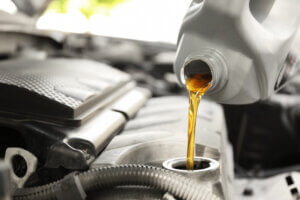
Engine oil helps by:
- Lubricating moving parts
- Reducing friction
- Cooling engine components
- Preventing corrosion
- Capturing dirt and debris
- Helping maintain engine cleanliness
Over time, however, oil begins to break down. As it ages, it loses its effectiveness and becomes contaminated with dirt, fuel residue, and metal particles.
Increased Engine Wear
One of the first things that happens if you skip oil changes is accelerated engine wear.
Fresh oil creates a protective barrier between engine components. As oil degrades, that protection diminishes. Metal parts begin experiencing increased friction, causing them to wear down faster than intended.
This wear may not be immediately noticeable, but over time it can lead to:
- Worn bearings
- Damaged pistons
- Cylinder wall wear
- Reduced engine efficiency
The longer you go without changing your oil, the more damage can occur inside the engine.
Oil Becomes Thick and Sludgy
A major consequence of what happens if you skip oil changes is the formation of sludge.
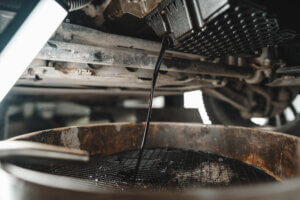 As engine oil ages, contaminants build up and the oil thickens. Instead of flowing smoothly throughout the engine, it can begin forming sludge deposits.
Engine sludge can:
- Restrict oil flow
- Block oil passages
- Reduce lubrication
- Increase operating temperatures
In severe cases, sludge can cause catastrophic engine damage that may require a complete engine replacement.
Many vehicles that suffer from sludge-related failures have one thing in common: missed oil change intervals.
Reduced Fuel Efficiency
If you’re wondering what happens if you skip oil changes beyond engine wear, fuel economy is another area affected.
When oil loses its lubricating properties, the engine must work harder to overcome increased friction. This additional resistance requires more energy and fuel.
You may notice:
- More frequent trips to the gas station
- Reduced miles per gallon
- Less efficient performance
While a few miles per gallon may not seem significant, those losses add up over months and years.
Higher Engine Temperatures
Engine oil also plays a role in heat management.
When discussing what happens if you skip oil changes, overheating often becomes part of the conversation. Old oil loses its ability to dissipate heat effectively.
As friction increases:
- More heat is generated
- Components run hotter
- Cooling demands increase
Excessive heat can damage seals, gaskets, and internal engine components, leading to even more expensive repairs.
Decreased Engine Performance
Many drivers notice changes in performance when oil maintenance is neglected.
Part of what happens if you skip oil changes is a gradual decline in how smoothly your vehicle operates.
Symptoms may include:
- Rough idling
- Sluggish acceleration
- Increased engine noise
- Reduced responsiveness
Because these changes often happen slowly, drivers may not immediately connect them to overdue oil service.
However, fresh oil frequently restores smoother operation and better overall performance.
Increased Risk of Engine Failure
Perhaps the most serious answer to what happens if you skip oil changes is complete engine failure.
When oil levels become low or oil loses its ability to lubricate properly, internal components can overheat and seize.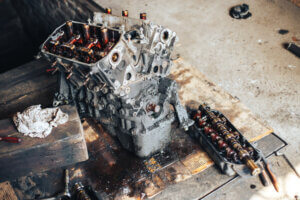
This can result in:
- Connecting rod damage
- Crankshaft damage
- Piston failure
- Complete engine seizure
At this point, repair costs can easily reach several thousand dollars. In some cases, replacing the engine may be more practical than repairing it.
A routine oil change costs significantly less than an engine replacement.
Oil Filters Become Overloaded
Your oil filter is designed to trap contaminants and prevent them from circulating through the engine.
Another important aspect of what happens if you skip oil changes is that the oil filter eventually becomes saturated.
Once the filter reaches capacity:
- Oil flow may become restricted
- Contaminants can circulate through the engine
- Engine wear increases
Every oil change includes replacing the oil filter because both components work together to protect the engine.
Potential Damage to Turbocharged Engines
Many modern vehicles use turbochargers to improve power and efficiency.
Turbochargers operate at extremely high temperatures and rely heavily on clean oil for lubrication.
For turbocharged vehicles, what happens if you skip oil changes can become even more serious.
Dirty oil can cause:
- Turbo bearing wear
- Reduced turbo performance
- Turbocharger failure
Because turbochargers are expensive components, maintaining proper oil service intervals is especially important.
Voiding Manufacturer Warranty Coverage
Many vehicle manufacturers require owners to follow recommended maintenance schedules.
Another factor to consider when evaluating what happens if you skip oil changes is warranty protection.
If a major engine problem occurs and maintenance records show neglected oil changes, warranty coverage may be denied.
Keeping up with scheduled maintenance helps protect both your vehicle and your investment.
Warning Signs You’ve Waited Too Long
Sometimes drivers don’t realize they have gone too long between oil changes.
Common warning signs include:
Oil Change Reminder Light
Many modern vehicles monitor oil life and display maintenance reminders.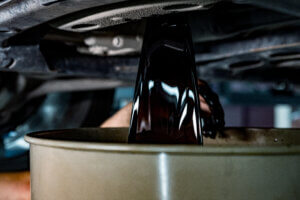
Dark, Dirty Oil
Fresh oil is typically amber in color. Old oil often appears dark and gritty.
Louder Engine Noise
Insufficient lubrication can cause increased engine noise and knocking sounds.
Burning Oil Smell
Old oil can break down and create unusual odors under the hood.
Reduced Performance
If your vehicle feels less responsive than usual, overdue maintenance may be contributing.
Recognizing these symptoms early can help prevent larger issues.
How Often Should You Change Your Oil?
One reason people ask what happens if you skip oil changes is confusion about oil change intervals.
The answer depends on:
- Vehicle manufacturer recommendations
- Driving habits
- Oil type
- Climate conditions
Many modern vehicles using synthetic oil can safely go between 5,000 and 10,000 miles between oil changes.
However, severe driving conditions may require more frequent service.
These conditions include:
- Frequent short trips
- Stop-and-go traffic
- Towing
- Extreme temperatures
Always consult your owner’s manual or a trusted automotive professional for guidance.
Why Preventative Maintenance Saves Money
When people ask what happens if you skip oil changes, the answer often comes down to cost.
Skipping maintenance may save money today, but it usually creates larger expenses later.
Routine oil changes help prevent:
- Engine repairs
- Turbocharger damage
- Reduced fuel economy
- Premature vehicle replacement
A small investment in maintenance can save thousands of dollars over the life of your vehicle.
Creating a Maintenance Habit
One of the best ways to avoid discovering firsthand what happens if you skip oil changes is to develop a maintenance routine.
Helpful strategies include:
- Following manufacturer recommendations
- Tracking service dates
- Using maintenance reminder apps
- Scheduling future appointments in advance
Consistent maintenance makes vehicle ownership easier and more affordable.
Conclusion
Understanding what happens if you skip oil changes can help you make better decisions about vehicle maintenance. While it may be tempting to delay service, doing so can lead to increased engine wear, sludge buildup, reduced fuel efficiency, overheating, and even complete engine failure.
Regular oil changes remain one of the simplest and most cost-effective ways to protect your vehicle. Staying on top of this routine service helps your engine perform efficiently, last longer, and avoid unnecessary repairs.
If your vehicle is due for maintenance or you’re unsure when your last service was performed, contact us here. Our experienced team can help you stay ahead of costly repairs and keep your vehicle running reliably for years to come.
Further Reading
- AAA Car Care: https://exchange.aaa.com/automotive/car-care/
- Car Care Council Maintenance Guide: https://www.carcare.org/car-care-guide/
- Consumer Reports Vehicle Maintenance: https://www.consumerreports.org/cars/car-maintenance/
- NHTSA Vehicle Maintenance Tips: https://www.nhtsa.gov