Transmission problems can range from minor annoyances to expensive repairs that leave you stranded. Your vehicle’s transmission is responsible for transferring power from the engine to the wheels, and when it begins to malfunction, the effects are often noticeable long before a complete breakdown. Understanding the most common transmission trouble signs every driver should know can help you catch issues early, protect your investment, and avoid costly repairs.
This comprehensive guide outlines the top warning signs of transmission trouble, why they occur, what they may indicate, and what actions you should take if you notice them.
What Is a Transmission?
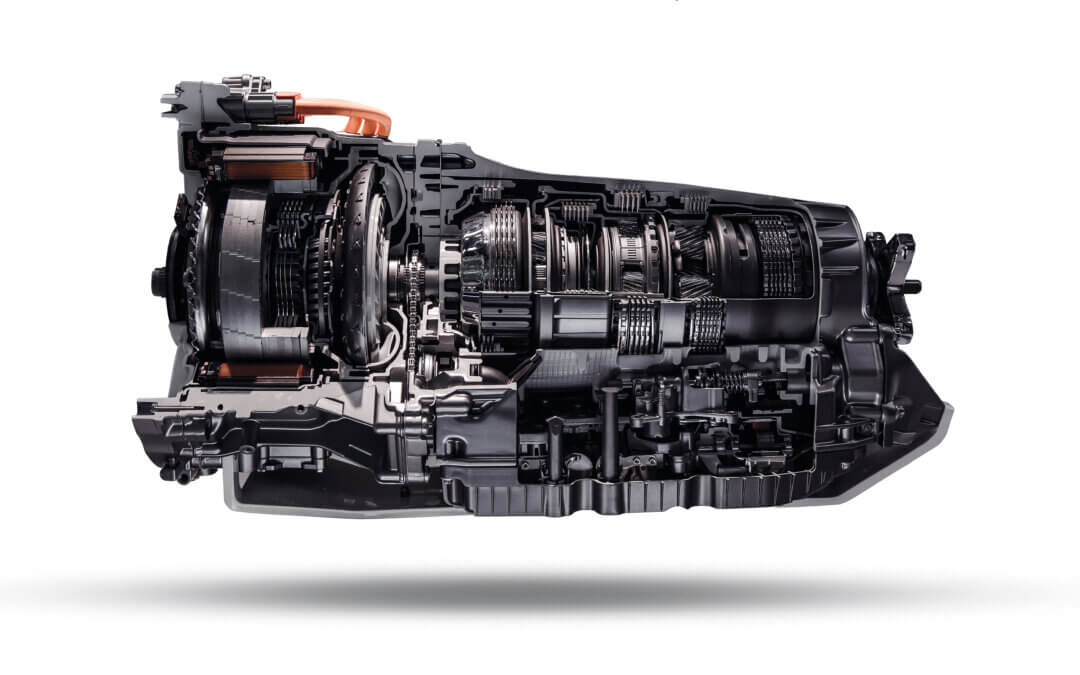
Before diving into the signs of trouble, it’s important to understand what the transmission does. In any vehicle, the transmission manages the application of power from the engine to the drive wheels. It changes gear ratios to ensure the engine operates efficiently at different speeds. In automatic vehicles, this process is controlled by a complex hydraulic and electronic system; in manual vehicles, it’s managed with a clutch and gear selector.
Transmission problems can affect both manual and automatic systems but often present differently depending on the type.
1. Difficulty Shifting or Delayed Engagement
One of the earliest and most noticeable transmission trouble signs every driver should know involves the way your vehicle changes gears.
If your vehicle hesitates or delays when shifting into drive, reverse, or between gears, it could be a sign of internal transmission issues. In automatic transmissions, delayed engagement may indicate low or contaminated transmission fluid, worn clutch plates, or problems within the valve body. Manual transmissions can experience hard or delay shifts due to worn clutch components or linkage problems.
Symptoms can include:
A lag before the vehicle moves after shifting into gear
Jerky or clunky gear changes
A noticeable delay when shifting from park to drive
These should never be ignored, as they may lead to further damage if left unchecked.
2. Unusual Noises While Driving or Shifting
Noises are one of the most common transmission trouble signs every driver should know.
Healthy transmissions operate quietly. However, if you hear grinding, whining, humming, or clunking sounds when your vehicle is in gear or shifting, it may indicate internal wear or damage. In automatic transmissions, whining or humming might suggest low fluid levels or failing internal components. In manual transmissions, grinding can point to clutch issues or worn synchronizers.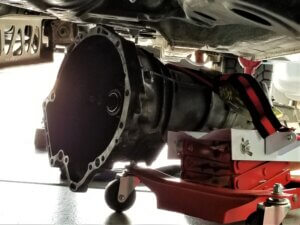
Typical problematic sounds include:
Grinding when shifting gears
Whining during acceleration
Clunking or thumping noises
These sounds often start subtly and worsen over time, making early detection crucial.
3. Slipping Gears
Slipping gears is another critical transmission trouble sign every driver should know.
When a transmission “slips,” the vehicle unexpectedly shifts out of gear or to neutral while driving. You may notice a sudden drop in acceleration despite the engine revving or a feeling that your vehicle isn’t responding properly to the gear selection.
Gear slipping may result from:
Worn internal belts or bands
Low or contaminated transmission fluid
Electronic or hydraulic control issues
Because this symptom affects drivability and safety, get your vehicle inspected as soon as possible if you experience slipping.
4. Transmission Fluid Leaks
Transmission fluid plays a vital role in lubrication, cooling, and gear engagement. When transmission fluid leaks, it can quickly lead to performance issues and long‑term damage.
One of the most visible transmission trouble signs every driver should know is spotting red, pink, or brown fluid under your parked vehicle. Transmission fluid does not evaporate like oil, so any fluid loss is a direct indication of a leak.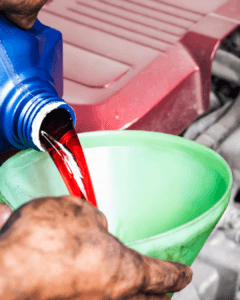
Common transmission fluid leak sources include:
Seals and gaskets
Transmission pan leaks
Cooler line damage
If you notice fluid leaks, have your vehicle checked promptly to prevent overheating and internal wear.
5. Burning Smell
A burning smell coming from underneath your vehicle or inside the cabin is a serious transmission trouble sign every driver should know.
Transmission fluid overheats when it’s old, contaminated, or at low levels. Overheated fluid breaks down and loses its ability to lubricate and cool internal components, leading to increased friction, heat buildup, and accelerated wear.
A burning odor may also be accompanied by smoke in severe cases. Always err on the side of caution—stop driving and seek professional inspection if you notice a persistent burning smell.
6. Dashboard Warning Lights
Modern vehicles contain onboard diagnostic systems that monitor many aspects of engine and transmission health. One of the warning lights that often appears is the check engine light, which may illuminate due to transmission issues as well. Many vehicles also have a dedicated transmission warning light.
If you see either of these indicators on your dashboard, it’s one of the key transmission trouble signs every driver should know. Don’t ignore it, even if the vehicle seems to drive normally.
A diagnostic scan at a repair shop can reveal specific transmission error codes that point to issues with sensors, solenoids, pressure problems, or overheating.
7. Vibrations or Shaking
Unusual vibrations or shaking while driving can also indicate transmission problems. While vibration can come from several vehicle systems, if it appears during gear changes or when the transmission load changes, it’s wise to consider the transmission as a source.
This symptom might be caused by:
Worn transmission mounts
Internal component wear
Drive line or clutch issues
If your vehicle shakes noticeably when accelerating or shifting, schedule a professional inspection.
8. Lack of Response or Sluggish Performance
If your vehicle seems unresponsive when you accelerate or feels sluggish despite normal engine performance, the transmission may be the culprit.
Lack of response to throttle input, hesitation before engaging a gear, or slow acceleration even at higher engine revs can all be transmission trouble signs every driver should know. This often indicates that the transmission isn’t efficiently transferring power from the engine to the wheels, which can be due to worn parts or control problems.
What to Do If You Notice Transmission Trouble Signs
Recognizing these signs early can save you significant repair costs and prevent sudden breakdowns. Here’s what to do:
Stop Driving If Necessary: If you notice severe symptoms like burning smells, loss of gear engagement, or significant slipping, pull over safely and have your vehicle towed to a shop.
Check Transmission Fluid: If safe, inspect your transmission fluid level and condition (refer to your vehicle’s owner’s manual).
Schedule a Professional Diagnostic: Experienced technicians have the tools to read diagnostic codes and inspect the transmission thoroughly.
Address Problems Promptly: Transmission issues generally get worse over time. Early intervention often prevents complete failure and higher repair costs.
Preventing Transmission Problems
Recognizing transmission trouble signs early can save you from costly repairs and keep your vehicle running safely. If you notice any of these warning signs—such as slipping gears, unusual noises, or delayed engagement—don’t wait to get your vehicle checked. Our experienced technicians at Dale Feste Automotive can diagnose and repair transmission issues promptly, ensuring your car performs reliably. Schedule an appointment today here to have your transmission inspected by our ASE-certified team.
Further Reading
Transmission maintenance and warning signs resources:
“Top 10 Signs of Transmission Trouble” – HowStuffWorks
https://auto.howstuffworks.com/under-the-hood/diagnosing-car-problems/mechanical/5-signs-transmission-trouble.htm“Signs of Transmission Issues: What to Watch For” – Sunbit Knowledge Center
https://sunbit.com/knowledge-center/auto/automotive-tips/signs-of-transmission-issues/“6 Signs Your Car’s Transmission Needs Immediate Attention” – Ken’s Automotive & Transmissions
https://www.kenstrans.com/6-signs-your-cars-transmission-needs-immediate-attention/“Transmission Trouble: Signs You Shouldn’t Ignore” – Meineke Blog
https://www.meineke.com/blog/is-your-transmission-struggling-what-you-need-to-know/