
Your tires are the only part of your vehicle that actually touch the road, which makes proper tire services one of the most important aspects of staying safe,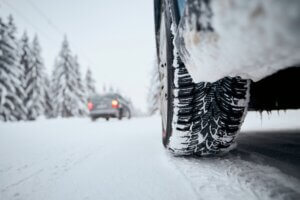 improving handling, and protecting your investment. Whether you’re driving through Minnesota’s icy winters, navigating rainy conditions, or simply commuting around town, well-maintained tires play a critical role in keeping your vehicle performing at its best.
In this comprehensive guide, we’ll break down everything you need to know about tire services, including rotation, repair, replacement, and seasonal tips specifically helpful for drivers in the upper Midwest. You’ll learn how these tire services extend tire life, improve fuel efficiency, and ensure better traction year-round.
Why Tire Services Matter
Tire services go beyond basic maintenance. They directly affect:
Safety – Better grip reduces your risk of skidding or sliding.
Longevity – Proper care helps you get the maximum life out of your tires.
Fuel efficiency – Even tread wear improves rolling resistance and saves fuel.
Ride quality – Your car handles more smoothly when your tires are in good shape.
Ignoring tire services can lead to premature wear, costly replacements, alignment issues, or even blowouts on the road. Regular maintenance saves money in the long run and keeps your vehicle driving safely in all conditions.
Tire Rotation: What It Is & Why It Matters
Tire rotation is one of the most essential tire services. It involves moving tires from one position to another (front to rear, left to right) to ensure even tread wear.
How Often Should You Rotate Tires?
Most manufacturers recommend rotating your tires every 5,000–7,000 miles, or about every oil change. If you drive frequently or carry heavy loads, you may need rotations more often.
Benefits of Tire Rotation
More even tread wear
Longer tire lifespan
Better handling and stability
Improved performance in all weather conditions
For Minnesota drivers, tire rotation is especially important because road salt, potholes, and harsh seasonal changes can cause uneven wear if tires aren’t rotated regularly.
Tire Repair: What Can Be Fixed & When to Replace
Not every tire problem requires a full replacement. Many issues can be repaired as part of regular tire services.
What Can Be Repaired?
A tire can typically be repaired if:
The puncture is in the tread area, not the sidewall
The hole is less than 1/4 inch
There is no internal structural damage
The tire hasn’t been driven on while flat
Certified technicians will inspect the inside of the tire, plug and patch it, and ensure it is safe for continued use.
When a Tire Cannot Be Repaired
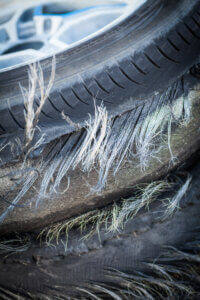
Sometimes the safest option is replacement. A tire cannot be repaired if:
Punctures are too large
Damage is on the sidewall or shoulder
There is bulging, cracking, or dry rot
The tire shows signs of separation or cords are exposed
The tread depth is already too low
Always rely on professional tire services to evaluate the damage and recommend the safest option.
Tire Replacement: When Is It Time?
Tire replacement is a key part of tire services, especially in a climate with extreme temperature swings.
Signs You Need New Tires
Tread depth below 2/32″ (legally worn-out)
Uneven wear patterns, often caused by poor alignment or skipped rotations
Vibration or pulling, which may indicate internal damage
Cracks or dry rot, often caused by aging or sun exposure
Bumps or bulges, which can be extremely dangerous
Regular loss of pressure, indicating a leak or bead issue
How Long Do Tires Last?
Most tires last 3–5 years, depending on driving habits, road conditions, and maintenance. Harsh Minnesota winters, rough pavement, and temperature fluctuations can shorten lifespan if tire services are not performed consistently.
Choosing the Right Replacement Tires
 Choosing the Right Replacement Tires
When selecting replacement tires, consider:
Driving conditions (snow, ice, gravel, highway)
Your mileage needs
Your vehicle’s recommended tire size and load rating
Whether you want all-season, all-weather, or winter tires
Budget and brand preferences
Your trusted technician can recommend the best options based on your vehicle and driving habits.
Seasonal Tire Tips for Minnesota Drivers
Seasonal conditions significantly impact tire performance, making tire services even more important.
Seasonal Tip #1: Switch to Winter Tires Before Temperatures Drop
Winter tires are engineered with specialized rubber and tread channels that provide superior grip on snow and ice. They remain flexible in sub-zero temperatures, unlike all-season tires, which can harden and lose traction.
Switch to winter tires when temperatures consistently fall below 45°F.
Seasonal Tip #2: Check Tire Pressure Frequently in Cold Weather
For every 10-degree drop in temperature, tire pressure can fall by 1–2 PSI. Under-inflated tires wear out faster, reduce fuel economy, and can compromise traction on slippery roads.
Regular tire services include pressure checks, but in winter, you may need to check them every two to three weeks.
Seasonal Tip #3: Inspect Tread Depth Before Snow Season
Deeper treads help channel snow, slush, and water away from the tire, reducing hydroplaning and improving braking performance.
Use the “penny test”:
Insert a penny into the tread with Lincoln’s head down
If you can see all of Lincoln’s head, the tread is too low
Seasonal Tip #4: Rotate Tires More Often in Winter
Cold weather and rough winter roads can cause uneven wear more quickly. Scheduling tire services more frequently in winter helps maintain consistent traction.
Seasonal Tip #5: Remove Winter Tires in Spring
Driving winter tires on warm pavement can wear them out rapidly. Switch back to all-season or all-weather tires once temperatures are consistently above 45°F.
How Regular Tire Services Improve Vehicle Performance
When performed consistently, tire services help:
Maximize fuel efficiency
Improve traction and handling
Enhance braking ability
Reduce road noise
Prevent steering and alignment issues
Extend the life of suspension components
Good tire services don’t just protect your tires—they protect the entire vehicle.
Choosing Reliable Tire Services in Minnesota
The key to getting the most out of your tires is choosing a repair shop that provides comprehensive tire services. Look for:
ASE-certified technicians
Accurate diagnostics
Honest recommendations
Quality tire brands
Proper balancing and alignment equipment
A trustworthy shop will inspect your tires, provide recommendations based on mileage and wear, and help schedule tire services throughout the year.
Conclusion
Tires play a major role in your vehicle’s safety and performance, especially in Minnesota’s unpredictable weather. Regular tire services—including rotation, repair, replacement, and seasonal inspections—help keep your vehicle running smoothly and protect your investment. By staying ahead of tire maintenance, you’ll enjoy safer driving, longer tire life, and greater peace of mind year-round.
If you need expert tire services from a shop you can trust, schedule an appointment with our team here today. We’re here to make sure your vehicle is ready for every season and every mile.
Further Reading (Sources)
Tire Safety & Maintenance – National Highway Traffic Safety Administration
https://www.nhtsa.gov/tire-safety
Consumer Reports – How to Know When You Need New Tires
https://www.consumerreports.org/tires/how-to-know-when-you-need-new-tires-a5951061577/
Tire Industry Association – Tire Repair Guidelines
https://www.tireindustry.org/
Bridgestone Tire Tips
https://www.bridgestonetire.com/learn/