
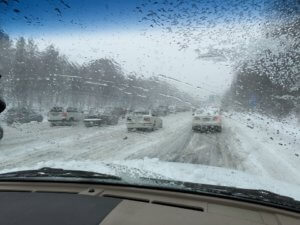
 Winter transforms roads into challenging and often hazardous terrain, demanding a nuanced approach to driving to ensure safety. A paramount consideration is the preparation of your vehicle. Invest in high-quality winter tires designed to provide enhanced traction on icy and snow-covered surfaces. Regularly check tire pressure and tread depth to guarantee optimal performance. Equipping your vehicle with winter essentials, such as antifreeze and windshield washer fluid, is essential to prevent freezing and maintain visibility. Clear all windows, mirrors, and lights of ice and snow before setting out, and replace worn-out windshield wipers for an unobstructed view.
Driving Safely on Slick Roads
Adapting driving habits to winter conditions is a fundamental aspect of safe travel. The guiding principle is to slow down. Reduced speeds allow for better control and increased reaction time, minimizing the risk of accidents. It’s crucial to increase your following distance, recognizing the longer braking distances on icy surfaces. Employ smooth and gradual movements when accelerating, braking, and steering to prevent skidding. Sudden actions can lead to a loss of control, underscoring the importance of maintaining a gentle touch on the controls. If your vehicle starts to skid, steer in the direction you want to go and apply the brakes gently to regain stability. Staying calm is imperative; panic can impair decision-making in critical situations.
Be aware of the Weather Conditions that you will be Driving in
Staying informed about weather conditions is a cornerstone of safe winter driving. Prior to your journey, consult local weather forecasts and road reports to anticipate potential challenges. In the face of severe weather, contemplate delaying your trip or selecting alternative routes with better conditions. Exercise additional caution on bridges, overpasses, and shaded areas, as these spots are prone to icy patches. Communication is key, so inform someone about your travel plans and ensure your mobile phone is charged for emergencies. By integrating vehicle preparedness, cautious driving practices, and proactive planning, drivers can confidently navigate slick winter roads, reducing the likelihood of accidents and ensuring a safer winter driving experience for all road users.