When Minnesota’s winter sets in, freezing temperatures can cause serious problems for your vehicle. One of the most common and costly issues drivers face during the cold months is cooling system failures. Even though it sounds like something that only matters in summer, your vehicle’s cooling system plays an essential role in protecting your engine year-round.
At Dale Feste Automotive, we’ve seen countless drivers in Hopkins and across the Twin Cities deal with engine damage that started as a small coolant leak or frozen hose. Understanding how to prevent and identify cooling system failures early can save you from expensive repairs and unexpected breakdowns in subzero weather.
The Role of Your Vehicle’s Cooling System
Before discussing what to inspect, it’s important to understand how the system works. Your vehicle’s cooling system regulates engine temperature, preventing overheating in the summer and freezing in the winter. It consists of key components including:
Radiator

Water pump
Thermostat
Hoses and belts
Coolant/antifreeze
Heater core
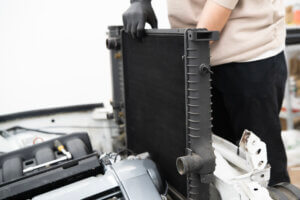
When functioning properly, these parts circulate coolant through the engine, absorbing and releasing heat to maintain a stable temperature. However, when any of these components fail—especially in freezing Minnesota conditions—the results can be severe, including cracked engine blocks or failed head gaskets.
Common Cooling System Failures in Minnesota Winters
Cold weather amplifies any weakness in your vehicle’s system. Here are the most common types of cooling system failures drivers face when temperatures plummet:
1. Frozen Coolant
Coolant is a mixture of antifreeze and water designed to protect your engine from both overheating and freezing. If the mixture isn’t correct, the coolant can freeze in the radiator or hoses, blocking circulation. This can cause your engine to overheat once it starts running, even in subzero temperatures.
2. Cracked Radiator or Hoses
Water expands as it freezes. When coolant turns to ice, it can exert enough pressure to crack plastic or rubber parts in the system, including the radiator and hoses. Once this happens, leaks begin to form, and your system loses its ability to regulate temperature.
3. Worn or Failed Water Pump
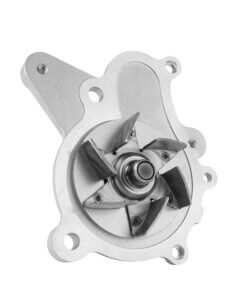
The water pump circulates coolant through the system. If it’s failing, coolant won’t reach the engine effectively. In the winter, this can lead to uneven heating, poor cabin heat, and overheating when the pump completely gives out.
4. Faulty Thermostat
A thermostat stuck in the closed position will prevent coolant from circulating properly. During Minnesota winters, this can cause the engine to overheat or lead to poor heating performance inside the cabin.
5. Low Coolant Levels
Even small leaks can lead to low coolant levels over time. If not addressed, your vehicle can lose its protection against freezing temperatures, resulting in catastrophic cooling system failures.
What Minnesota Drivers Should Inspect Early
To prevent cooling system failures, routine maintenance and early inspections are key. Before the coldest months arrive, schedule a checkup or perform these inspections yourself if you’re comfortable doing so.
1. Check Coolant Level and Condition
Look at the coolant reservoir when the engine is cool. The fluid should be between the “Min” and “Max” lines. If it’s low, add the manufacturer-recommended coolant mixture. Also, note the color—modern coolants are often green, orange, or pink. If the color looks rusty or cloudy, it’s time to flush the system.
2. Inspect for Leaks
Examine the area under your car for puddles or wet spots, especially near the front. A sweet smell or visible drips around the radiator or hoses often indicate a coolant leak. Even a small leak can lead to bigger cooling system failures in freezing conditions.
3. Test the Coolant Mixture
Using a coolant tester, check the freeze protection level of your antifreeze. In Minnesota, a 50/50 mix of antifreeze and distilled water is typically recommended, but extreme cold may require up to 60/40. This ratio prevents freezing while providing optimal heat transfer.
4. Inspect Hoses and Belts
 4. Inspect Hoses and Belts
Cold temperatures make rubber brittle, leading to cracks and weak spots. Look for bulges or soft spots in hoses and ensure clamps are tight. A burst hose during winter driving can lead to immediate overheating and engine failure.
5. Examine the Radiator Cap
A radiator cap that no longer seals properly can cause pressure loss, leading to coolant leaks or boiling over. Check that the rubber gasket is intact and replace the cap if it appears damaged or corroded.
6. Test the Thermostat
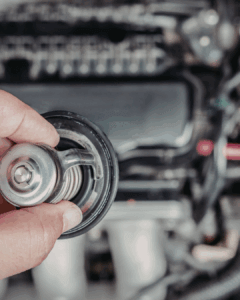
If your heater takes too long to warm up or the temperature gauge fluctuates, your thermostat may be sticking. A mechanic can test it quickly and replace it if necessary.
7. Have the System Pressure Tested
A professional pressure test can identify leaks or weak components before they fail completely. This is one of the most effective ways to prevent cooling system failures during Minnesota’s harshest months.
Why Cooling System Failures Are More Dangerous in Cold Weather
Many drivers assume overheating isn’t a concern when temperatures are below freezing. In reality, cooling system failures can be even more damaging in cold weather. When the system can’t regulate temperature properly, your engine experiences wide swings between hot and cold.
These rapid changes cause metal components to expand and contract, which can crack seals and gaskets. Additionally, a failed heating system can make defrosting your windshield nearly impossible, creating a safety hazard on icy roads.
Ignoring early signs of cooling system problems may lead to:
Engine overheating or freezing
Blown head gasket
Loss of cabin heat
Reduced fuel efficiency
Expensive engine repair or replacement
Signs You May Have Cooling System Problems
Knowing what to watch for can help you address issues before they escalate. Keep an eye out for these common warning signs of cooling system failures:
Steam or smoke coming from under the hood
Temperature gauge rising rapidly
Sweet smell of coolant inside or outside the vehicle
Heater blowing cold air
Puddles under your car
Dashboard warning lights (temperature or coolant light)
If you notice any of these signs, schedule an appointment at Dale Feste Automotive right away. Our technicians can quickly diagnose and repair the issue before it causes lasting damage.
Preventive Maintenance Tips for Winter
Flush your cooling system every 2–3 years to remove rust, debris, and old antifreeze.
Use the correct coolant mixture for Minnesota winters (typically 50/50 or 60/40).
Inspect hoses and belts before winter each year.
Replace your thermostat if you suspect sticking or irregular temperature readings.
Schedule a professional inspection before winter hits to ensure everything is in working order.
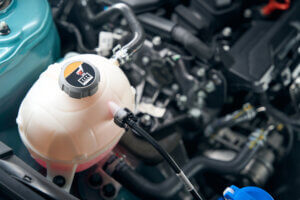
Regular maintenance prevents cooling system failures, extends engine life, and keeps your car running reliably through harsh conditions.
Why Choose Dale Feste Automotive in Hopkins
At Dale Feste Automotive, we understand how Minnesota winters test every part of your vehicle. Our ASE-certified technicians are experienced in diagnosing and repairing cooling system failures caused by freezing temperatures, salt corrosion, or normal wear.
We provide complete inspections, coolant flushes, radiator repairs, and preventive maintenance to keep your car performing its best all year long. Whether you’re commuting in Hopkins or driving across the Twin Cities, you can count on our team for honest, reliable service and transparent communication.
Final Thoughts
Minnesota winters are tough, and your vehicle’s cooling system is one of the most important lines of defense against the cold. By inspecting key components early and addressing small issues before they escalate, you can prevent costly repairs and stay safe on the road.
Don’t wait for your engine to overheat or your coolant to freeze—schedule a cooling system inspection here with Dale Feste Automotive today and keep your vehicle ready for whatever the season brings.
Further Reading
U.S. Department of Energy – Maintaining Your Vehicle’s Cooling System
Car and Driver – Why Your Car’s Cooling System Matters in Winter