Your brakes are one of the most critical components of your vehicle, keeping you and your passengers safe on every drive. Understanding when your vehicle needs brake repair & inspection, what the process involves, and the warning signs that indicate brake service is necessary can prevent accidents and costly repairs. This guide explains the most important brake repair & inspection information every driver should know, helping you maintain safe and reliable braking performance.
What Happens During a Brake Repair & Inspection
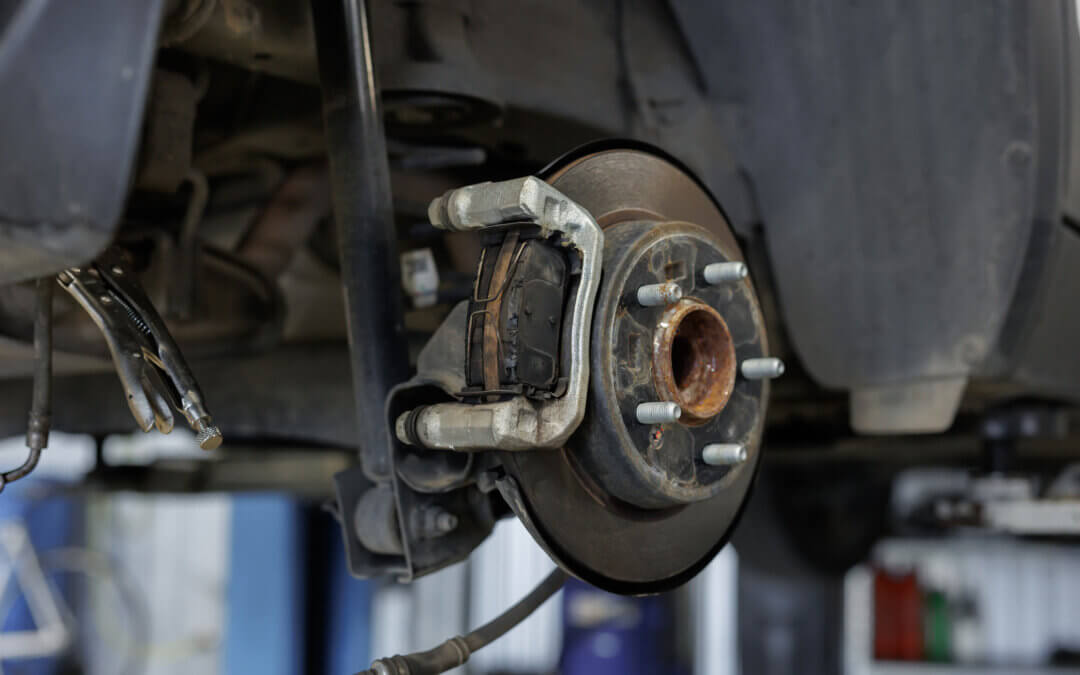
A brake repair and inspection evaluates your entire braking system, including pads, rotors, calipers, brake fluid, lines, and hardware. Technicians check for wear, damage, leaks, and performance issues.
During an inspection, a technician may:
Examine brake pads and shoes for wear
Check rotors and drums for warping or damage
Assess brake fluid levels and condition
Inspect calipers, hoses, and mounting hardware
Test braking performance
Routine inspections can catch small problems before they become serious, helping to avoid expensive repairs.
Common Brake Services
Brake repair can include several types of service depending on what the inspection reveals: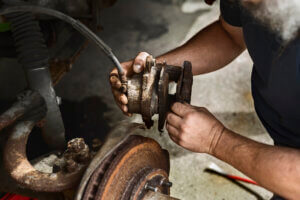
Brake Pad Replacement: Pads wear over time and need replacement to prevent rotor damage.
Rotor Resurfacing or Replacement: Warped or damaged rotors may need to be resurfaced or replaced.
Brake Fluid Service: Brake fluid degrades over time, so flushing and replacing it keeps the system working properly.
Caliper and Hardware Service: Sticking or leaking calipers can be repaired or replaced to ensure even braking.
Emergency Brake Service: The parking brake is checked to make sure it functions properly.
Warning Signs You Need Brake Service
Some common signs that your brakes need attention include:
Squealing or Grinding Noises: Indicates worn pads or rotor contact.
Reduced Braking Performance: A soft or spongy pedal or longer stopping distances.
Vibrations or Pulsations: Can signal warped rotors or uneven pad wear.
Pulling to One Side: May be caused by uneven pad wear, caliper issues, or fluid problems.
Brake Warning Light: Dashboard indicators suggest your braking system needs attention.
Even if you haven’t reached the recommended inspection interval, these warning signs should prompt a brake service check.
How Often Should You Have Your Brakes Checked?
Most vehicles benefit from a professional inspection at least once a year or every 12,000 miles. Driving conditions affect wear, including frequent city driving, hilly terrain, or towing heavy loads. Any unusual noise, vibration, or reduced braking performance is a reason to schedule a check sooner.
DIY vs. Professional Inspection
Basic visual checks like fluid level and pad thickness can be done at home, but professional brake inspections are essential for safety. Technicians can measure pads and rotors accurately, check hydraulic systems, and perform repairs to manufacturer standards, ensuring reliable braking performance.
Preventing Brake Problems
 Regular maintenance helps prevent major issues:
Avoid riding the brake pedal continuously
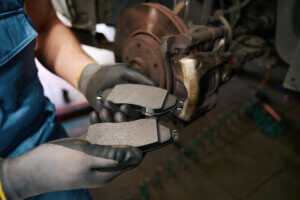
Replace brake pads before they are worn through
Flush and replace brake fluid according to your manufacturer’s schedule
Drive cautiously in wet or icy conditions to reduce stress on the brakes
Proactive maintenance keeps your braking system in good condition and enhances safety.
Scheduling Brake Repair & Inspection
If you notice any signs of brake trouble—squealing, grinding, vibrations, pulling, or warning lights—schedule a professional inspection promptly. At Dale Feste Automotive, our experienced technicians provide thorough brake repair and inspection to diagnose and fix issues efficiently. Schedule your brake service today here to ensure your brakes are performing safely and reliably.
Further Reading
“Brake Repair and Maintenance Guide” – AAA
“When to Replace Brake Pads and Rotors” – Edmunds
“Common Brake Problems and Solutions” – HowStuffWorks
“Brake System Warning Signs Every Driver Should Know” – Monroe