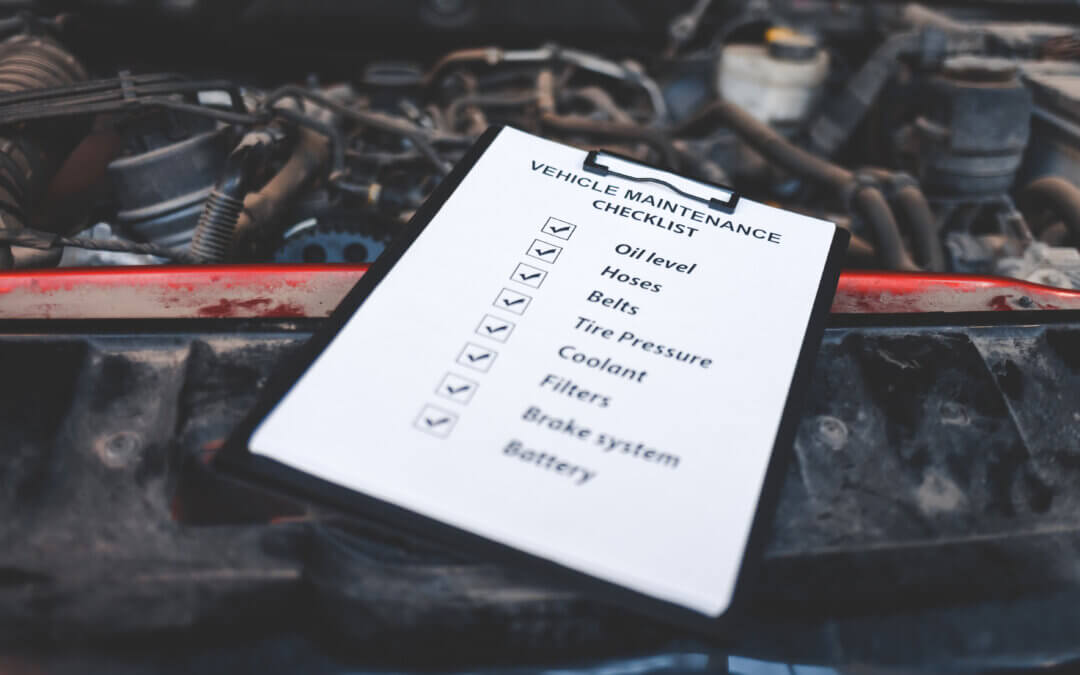
Spring Car Maintenance Checklist: Get Your Vehicle Ready for the Road
As winter fades and temperatures begin to rise, your vehicle needs attention after months of cold weather, snow, and road salt. A thorough spring car maintenance checklist helps ensure your car stays reliable, safe, and efficient as you head into a new season of driving.
Cold weather can be tough on nearly every part of your vehicle—from your battery and tires to your brakes and fluids. By following a spring car maintenance checklist, you can catch small issues early before they turn into expensive repairs.
Below is a complete guide to help you transition your vehicle from winter wear to spring readiness.
Why a Spring Car Maintenance Checklist Matters
Winter driving conditions can quietly take a toll on your vehicle. Ice, salt, potholes, and temperature swings all contribute to wear and tear. Even if your car seems to be running fine, hidden damage could be developing.
A proper spring car maintenance checklist helps you:
- Improve safety on the road
- Extend the life of your vehicle
- Prevent breakdowns
- Maintain fuel efficiency
- Avoid costly repairs
Think of it as a reset for your car after a long winter season.
Inspect and Replace Your Battery
Cold temperatures can weaken your car’s battery, making spring the perfect time to check its condition. If your vehicle struggled to start during winter, your battery may already be on its way out.
Look for:
- Slow engine cranking
- Corrosion on terminals
- Dim headlights
Most car batteries last between 3–5 years. If yours is nearing that range, testing or replacing it should be a priority on your spring car maintenance checklist.
 Check Your Tires and Alignment
 Check Your Tires and Alignment
Winter conditions can be rough on your tires. Between potholes and fluctuating temperatures, your tires may have lost pressure or developed uneven wear.
During your spring car maintenance checklist, make sure to:
- Check tire pressure and adjust to recommended levels
- Inspect tread depth
- Look for cracks, bulges, or uneven wear
- Rotate tires if needed
If your steering feels off or your car pulls to one side, you may need an alignment. Addressing this early prevents premature tire wear and improves handling.
Inspect Your Brakes
Your braking system is critical for safety, and winter conditions can accelerate wear. Moisture, salt, and debris can impact brake performance over time.
Signs you may need brake service:
- Squeaking or grinding noises
- Vibrations when braking
- Longer stopping distances
Including brake inspection in your spring car maintenance checklist ensures your vehicle is ready for increased spring and summer driving.
Replace Wiper Blades and Check Washer Fluid
Winter ice and snow can damage your wiper blades, reducing visibility during spring rainstorms.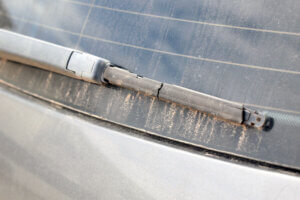
As part of your spring car maintenance checklist:
- Replace worn or streaking wiper blades
- Refill windshield washer fluid
- Check for proper spray function
Clear visibility is essential, especially during unpredictable spring weather.
Check and Top Off Fluids
Fluids play a major role in keeping your vehicle running smoothly. Temperature changes and winter driving can affect fluid levels and quality.
Your spring car maintenance checklist should include checking:
- Engine oil
- Coolant
- Brake fluid
- Transmission fluid
- Power steering fluid
If any fluids are low or dirty, topping them off or scheduling a flush can help prevent long-term damage.
Inspect Belts and Hoses
 Inspect Belts and Hoses
Rubber components like belts and hoses can become brittle in cold temperatures. As the weather warms up, cracks or weak spots may become more noticeable.
During your spring car maintenance checklist, look for:
- Cracks or fraying on belts
- Soft or brittle hoses
- Leaks around connections
Catching these early can prevent breakdowns and costly repairs later.
Examine Your Suspension System
Potholes are one of the biggest hazards of winter driving, and they can impact your suspension system.
Signs of suspension issues include:
- Rough or bouncy ride
- Uneven tire wear
- Clunking noises over bumps
Adding suspension inspection to your spring car maintenance checklist helps maintain comfort and control while driving.
Test Your Air Conditioning System
After months of not being used, your A/C system should be tested before temperatures rise.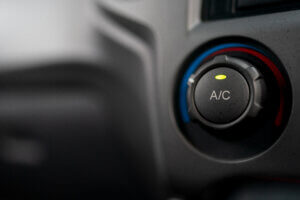
Include in your spring car maintenance checklist:
- Checking airflow strength
- Ensuring cold air output
- Listening for unusual noises
If your system isn’t cooling properly, it may need a recharge or repair before summer arrives.
Clean Your Vehicle Inside and Out
Winter leaves behind salt, grime, and debris that can damage your vehicle’s paint and undercarriage.
A proper spring cleaning should include:
- Washing and waxing the exterior
- Cleaning the undercarriage
- Vacuuming the interior
- Removing clutter
This step in your spring car maintenance checklist not only improves appearance but also protects your vehicle from corrosion.
Check Lights and Electrical Components
Long winter nights mean your vehicle’s lights have likely seen heavy use.
As part of your spring car maintenance checklist:
- Check headlights, brake lights, and turn signals
- Replace any burned-out bulbs
- Ensure dashboard lights are functioning properly
Proper lighting ensures visibility and safety for you and other drivers.
Inspect Your Air Filters
Both your engine air filter and cabin air filter play important roles in performance and comfort.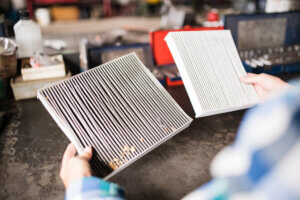
During your spring car maintenance checklist:
- Replace a dirty engine air filter to improve efficiency
- Replace the cabin air filter for cleaner interior air
Clean filters help your vehicle run more efficiently and keep the air inside your car fresh.
Don’t Forget Your Emergency Kit
Spring weather can still be unpredictable. Keeping an emergency kit in your vehicle is always a smart idea.
Consider including:
- Jumper cables
- Flashlight
- First aid kit
- Basic tools
Updating your emergency supplies is a small but important part of a complete spring car maintenance checklist.
Benefits of Staying Ahead with Maintenance
Following a spring car maintenance checklist doesn’t just prepare your vehicle for the season—it sets you up for long-term reliability.
Regular maintenance helps:
- Reduce unexpected breakdowns
- Improve fuel economy
- Extend the life of key components
- Maintain resale value
A little time spent now can save you from major repairs down the road.
When to Schedule Professional Service
While many items on a spring car maintenance checklist can be handled on your own, some inspections are best left to professionals. A trained technician can spot issues you might miss and ensure everything is working properly.
If you’ve noticed unusual noises, warning lights, or changes in performance, it’s best to have your vehicle inspected sooner rather than later.
Conclusion
Spring is the perfect time to reset and prepare your vehicle for the months ahead. By following a thorough spring car maintenance checklist, you can stay ahead of potential problems and enjoy a safer, smoother driving experience.
If you want peace of mind knowing everything has been properly inspected and serviced, contact us here to schedule your spring maintenance appointment. Our team is here to help keep your vehicle running at its best all season long.
Further Reading
- Car Maintenance Basics – AAA
https://exchange.aaa.com/automotive/car-care/ - Seasonal Car Care Tips – Car Care Council
https://www.carcare.org - Vehicle Maintenance Guide – National Highway Traffic Safety Administration
https://www.nhtsa.gov/road-safety