
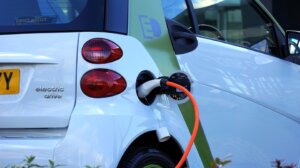
 Electric vehicles (EVs) are becoming an increasingly popular mode of transportation due to their environmental sustainability and technological advancements. Here are some important facts about electric vehicles.
Some Facts about Electric Vehicles
- How do they work? Electric vehicles use electric motors powered by rechargeable batteries. The battery stores energy that is used to power the motor and move the vehicle. The batteries are charged by plugging the vehicle into an electrical outlet or charging station.
- Benefits of EVs: EVs have several benefits, including lower emissions, reduced dependence on fossil fuels, and lower operating costs. Electric motors are also more efficient than gasoline engines, providing better fuel economy and reduced energy consumption.
- Range anxiety: One concern with EVs is the range of the battery. However, advances in battery technology have led to longer ranges and faster charging times. The average range for an EV is around 200 miles, but some models can go over 300 miles on a single charge.
- Availability: The availability of EVs is increasing as more automakers introduce electric models. Some countries are also offering incentives and subsidies to encourage the adoption of EVs.
- Infrastructure: Charging infrastructure is another concern for EV owners. However, the number of charging stations is growing, with public charging stations available in many cities and towns. There are also home charging stations that allow you to charge your vehicle overnight.
- Cost: The cost of EVs is often higher than traditional gasoline-powered vehicles. However, the cost of ownership is generally lower due to lower fuel and maintenance costs.
- Performance: EVs are often faster and smoother than traditional vehicles due to the instant torque provided by the electric motor. They also have fewer moving parts, reducing maintenance requirements and improving reliability.
In conclusion, electric vehicles offer several benefits, including lower emissions, reduced fuel costs, and improved performance. While the initial cost may be higher, the cost of ownership is generally lower. As battery technology continues to improve and charging infrastructure expands, the adoption of electric vehicles is expected to grow in the coming years.